
Powered By



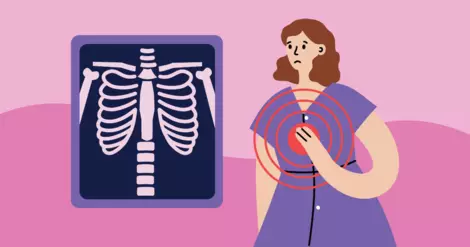
 When considering breast reconstruction after mastectomy, choosing a breast implant size is often a key decision to make.
Breast reconstruction surgery with implants could be immediate, or delayed months or years after mastectomy. It’s important to meet with a plastic surgeon before your mastectomy to discuss your reconstruction options.
Sign up to view the results!
 Continue with Facebook
Continue with Email
Continue with Facebook
Continue with Email
Before your mastectomy, talk to a board-certified plastic surgeon experienced in postmastectomy breast reconstruction.
Your surgeon will conduct an exam, which will include measuring and photographing your breasts. Then they’ll discuss your options and preferences with you.
Be sure to ask questions, state your preferences, and make decisions about how you want to look and feel.

One MyBCTeam member confirmed the importance of this conversation. “My plastic surgeon didn’t discuss any options with me, and I was too focused on the cancer to ask any questions about the cosmetic aspect of the implants,” she said. “I wish I had, because I’m not as happy with them as I think I could be.”
While breast cancer treatment is the first priority, it’s also important how you feel in your body afterward.
Another member wrote: “I feel vain for focusing on how my breasts will look, because getting rid of cancer is more important than that. But it’s also a foreign thing in my body, so I don’t take that lightly. I want to know the options first.”
The conversations you have about mastectomy reconstruction sizing will likely cover how your breasts look now, how you want them to look, what’s possible given your body shape and size, and other factors.
A MyBCTeam member described the importance of the right plastic surgeon to help make the decision about breast implant sizing.
“Pick a plastic surgeon that you trust and communicate clearly what you are hoping for,” they said. “Managing expectations is part of their job. Trust that they will get you as close as they can to the size you want within your parameters of what’s possible in your body. After all, their profession is based on making people look better.”
There are several factors involved in choosing breast implant size.
 Current Breast Size
 Your doctor may start by asking about your current size and whether you’re happy with it. It’s common for doctors to suggest trying to match your implant size to the size your breasts were before surgery.
For immediate, direct-to-implant reconstruction, some doctors weigh the tissue removed during mastectomy and recommend an implant weighing a similar amount to feel like what you were used to.
Some may choose to go bigger, while others want to go smaller. According to most health experts, opting for a larger-sized implant than your breasts were before doesn’t tend to increase complications.
However, there is some evidence that decreasing the size could come with a slightly higher risk for complications.
Cup size is one reference point. To better visualize your options, your doctor may offer a 3D simulation of you with implants at different sizes. They may also offer silicone pads known as sizing cutlets to try on in your bra.
Shape Apart from size, there are different implant shapes as well. Your doctor can help you consider what will look best with your body frame. For instance, if your chest is wider, it may be appropriate to choose implants that provide more breast width.
Projection is the term for how far outward from your body breast implants extend. Taking your body proportions into account, you may need more or less projection.
How Much Skin Will Be Left The size of breast implants that your body can handle will partially depend on how much of your skin remains after your mastectomy. The tightness of your skin usually limits the size of the implant you can receive.
If you’re having a delayed reconstruction, you will likely need two surgeries. In the first one, the surgeon will insert tissue expanders, which are saline bags that can be filled gradually, stretching your skin to accommodate silicone implants.
In the second, they’ll remove the tissue expanders and place the implants. The size of the implant you receive will depend on the size of the pocket created by the expander and how much skin you have remaining to cover it.
During the expander phase, the filling process can help you make decisions about what size implants you want as a sort of implant size guide.
“One nice thing is that with tissue expanders, you gradually go up in size, so you can stop when things feel comfortable, and the size is what you like,” described a MyBCTeam member.
If you’re having immediate reconstruction, a skin-sparing mastectomy may be an option. This type of mastectomy preserves as much of the skin surrounding the breast as possible, and a breast implant can be placed immediately.
A surgery that preserves more of your breast skin may enable you to receive a larger breast implant than you otherwise would be able to get.
Matching Breasts If you get a unilateral (one-sided) mastectomy, the key goal of choosing an implant size will be to achieve symmetry so your breasts look the same size and shape.
Your doctor may measure the weight and volume of the tissue removed in your mastectomy to help decide on an implant size. They may also perform a lift or reduction on your remaining breast.
Body Shape, Lifestyle, and Preferences Other factors to consider as you choose a breast implant size are your lifestyle and how physically active you are.
Your goals for your appearance and how you want to feel in your body will influence what’s best for you.
On MyBCTeam, people share their experiences with breast cancer, get advice, and find support from others who understand.
How did you decide on an implant size? Are you happy with the results? Let others know in the comments below.
Get updates directly to your inbox.


 Continue with Facebook
Continue with Email
Continue with Facebook
Continue with Email
Continue with Facebook
Continue with Email
Continue with Facebook
Continue with Email
Become a member to get even more





 Join
Join




 Your Privacy Choices

This is a member-feature!
Sign up for free to view article comments.
I just found out early September that I am cancer positive stage 1. I saw my plastic surgeon for the reconstruction the day I saw my oncology surgeon. Both great and work well together. My surgery… read more
We'd love to hear from you! Please share your name and email to post and read comments.
You'll also get the latest articles directly to your inbox.