
Powered By


The drainage is the fluid your body produces as it heals, the drains will help make sure it does not have an opportunity to accumulate. As you heal, and that fluid finds other intact pathways, the output from the drains will be less- until the doctor feels your body no longer needs the drain tubes to assist. The drains can be uncomfortable, and definitely a nuisance- but necessary, and temporary. Hang in there! Hugs!

After a mastectomy, your body naturally produces fluid in the space where breast tissue was removed. This is part of your body's normal healing response. The fluid is made up of white blood cells, proteins, and waste products — doctors call this buildup a "seroma." If this fluid isn't drained, it can cause some Show Full Answer
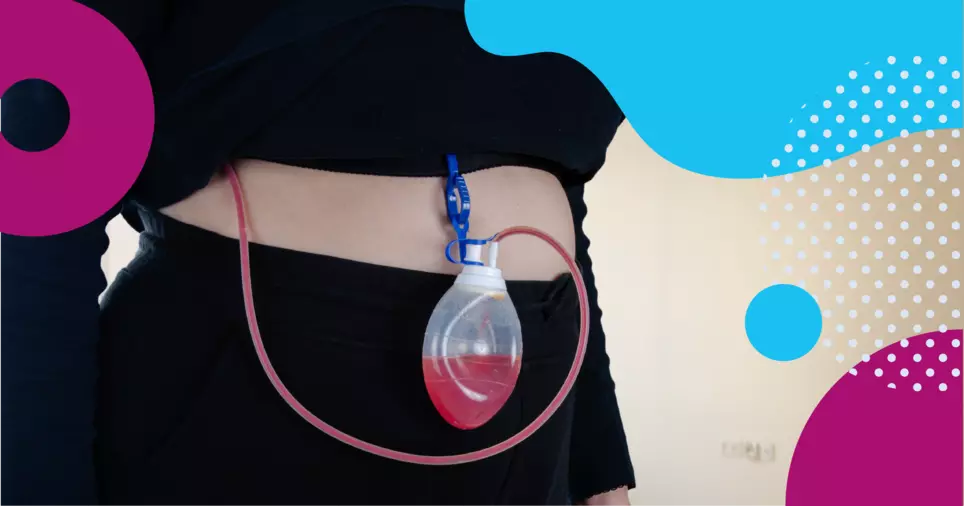
Yes, after lumpectomies and mastectomies you do have drainage. During surgery the surgeon will typically install 2 drainage bulbs with tubes for each breast that is operated on. If you have immediate reconstruction with a flap surgery, such as DIEP, you can expect drains to be installed at the flap removal sight as well You will need to empty the bulbs several times a day and chart the amount of drainage. Most of the time drains are left in place for 2-3 weeks, although sometimes they will be removed sooner. They will go over this with you either before the mastectomy or before you leave the hospital after surgery.
After your mastectomy you will want to wear shirts that button or zip up in front. It's painful to pull a shirt over your head and the surgeons don't want you moving your upper body around and give you various restrictions on how you are allowed to move. You will also need to do something with the drainage bulbs and lines to keep them out of the way. There are special clothes you can buy that have pockets to place the drains in. If you are crafty you can sew your own pockets and then safety pin them inside your shirt. That's what I do. You can also safety pin the actual drain lines inside your shirt too, but I don't recommend this method cuz you're more likely to tug or pull on the drain lines this way and it hurts when drains are tugged/pulled.
Good luck with your surgery ❤️
Happy for you. Please stay in touch. Love and hugs!
Just had my drain taken out on Tuesday, it was tolerable being taken out.



 Join
Join





 Your Privacy Choices