
Powered By



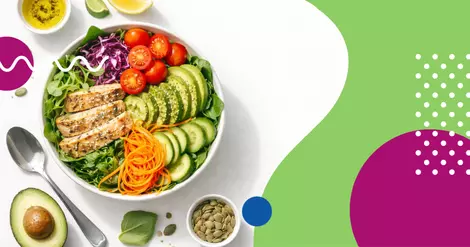
Although nutrition isn’t the most important factor that affects triple-negative breast cancer (TNBC), eating well can support your overall health and quality of life, especially during treatment.
Certain foods may be worth adding to your diet because they’ve shown promise in supporting health during TNBC treatment. Other foods may be best to limit or avoid to lower your risk of cancer recurrence. Because every person’s cancer and overall health condition are different, always check with your doctor before making any dietary or lifestyle changes.
Here are some foods you may want to eat or avoid if you’ve been diagnosed with TNBC.
As you plan meals and make grocery lists, keep these foods in mind. There’s some evidence that they may provide nutrients that support your health during and after TNBC treatment.
Grapes and berries have high concentrations of the antioxidant resveratrol, which helps protect your cells against harmful substances. In one study of 39 women with a higher risk of breast cancer, resveratrol supplementation twice a day for three months increased how well an important tumor suppressor gene worked. Tumor suppressor genes play a crucial role in regulating cell growth and work against cancer progression. Some research also suggests that resveratrol may improve the body’s response to certain immunotherapies used to treat TNBC.
You can’t miss the signature golden hue of turmeric. Curcumin is the beneficial compound that gives the spice its vibrant color. Turmeric is a strong antioxidant that supports overall health, and some studies show curcumin may have anticancer and anti-inflammatory effects on TNBC cells. Adding black pepper, such as in a curry dish, may enhance turmeric’s benefits because pepper has been shown to help the body absorb and use curcumin.
Green tea has antioxidants that help protect cells from damage. It’s especially rich in an antioxidant called epigallocatechin 3-gallate (EGCG). Studies suggest that EGCG may help promote apoptosis (cell death), the body’s natural process for destroying and removing tumor cells. Some research has also found that drinking green tea and exercising regularly were associated with improved survival in people with TNBC. If you don’t enjoy hot tea, try brewing green tea and keeping it chilled in the fridge.
TNBC tends to be aggressive and fast-growing, so reducing tumor growth can be an important part of treatment and preventing recurrence. Cancer research on TNBC in mice has found that adding fish oil supplements to a typical Western diet can slow tumor growth more than a diet without these supplements. Increased intake of omega-3 fatty acids, which are found in fish oil, has also been associated with reduced chemotherapy-related symptoms.
Natural sources of omega-3 include salmon, herring, sardines, and cod. Health organizations generally recommend eating at least two 4-ounce servings of omega-rich fish or seafood per week. To reduce concern about mercury exposure, aim to eat a variety of seafood, such as different types of fish and shrimp. If you’re undergoing cancer treatment or taking certain medications that suppress your immune system, be sure to eat fully cooked fish rather than raw options, such as sushi.
Eating plenty of vegetables is linked to lower rates of obesity, better blood sugar control, a lower risk of cancer, and better outcomes after cancer treatment. One key benefit of vegetables is their high fiber content. Fiber helps with digestion, helps you feel full longer, and may prevent some types of cancer. Vegetables also contain powerful compounds that can support cell health and may help protect against tumor growth. These include compounds such as resveratrol and isoflavones.
Cruciferous vegetables — including broccoli, brussels sprouts, and kale — contain sulforaphane. Research suggests that when sulforaphane is combined with another plant component called genistein, which is found in soy and legumes, the two may help slow cancer cell growth in TNBC cells. One simple way to combine these foods is a meal like sautéed tofu with steamed broccoli.
On the other hand, some foods may be better avoided or limited if you’re living with TNBC.
In general, it’s important to limit highly refined or processed foods, which are common in a typical Western-style diet. Refined grains have had the bran and germ removed to extend shelf life. However, this process also loses valuable vitamins, minerals, and fiber that support overall health and may help prevent cancer recurrence. Refined grains that are best to limit or avoid include white rice, white flour, and white bread.

Eating whole grains is linked to a lower risk of obesity, diabetes, heart disease, and cancer. Unlike highly processed refined grains, which are stripped of their nutrients, whole grains have vital plant compounds called phytochemicals that target signaling pathways in breast cancer. Research suggests that components of germinated (or sprouted) wheat flour may help increase cancer cell death in pathways associated with TNBC.
To improve the quality of your grains, choose whole-grain options such as whole-grain bread, brown rice, and oats.
Although more research is needed, some studies suggest that eating too much saturated fat may increase the risk of cancer recurrence. In general, it’s a good idea to limit the amount you eat in order to prevent other health conditions like heart disease. Saturated fats come from full-fat dairy like whole milk, butter, and cream. They’re also found in fatty meats, processed meats like sausage, and some processed baked goods and sweets like chocolate or cakes.
Research on mortality and breast cancer suggests it’s wise to limit processed meat. Several observational studies have found that eating a lot of processed meat is associated with an increased risk of breast cancer. Processed meats are often high in saturated fat, which may contribute to cancer recurrence. When the meat is processed and preserved, cancer-causing substances form. Examples of processed meats include deli meat, bacon, ham, salami, and sausage.
Some medications and treatments may interact negatively with certain foods or supplements. Don’t start taking a new supplement before checking with your healthcare team. For example, CBD oil or melatonin may react with some cancer medications. If you’re going through immunotherapy, you may need to adjust your diet to stay safe and make eating more comfortable. For example, if you experience mouth sores, you may want to reduce acidic foods like citrus fruits. Your healthcare team can assess your specific needs and refer you to a registered dietitian if you need more support.
Food is one of life’s pleasures, but it’s not always easy to eat well when you’re living with breast cancer. Some of the common side effects of treatment include taste and appetite changes, digestive problems, dry mouth, and fatigue. You may not have the energy or desire to prepare foods you know are healthy, and that you once enjoyed, so focus on the healthy foods you like.
A registered dietitian can provide personalized guidance based on your current treatments and symptoms. You can lean on your healthcare team and social circle to make grocery shopping, cooking, and healthy eating less of a burden. You can also ask for recipes or suggestions on MyBCTeam.
On MyBCTeam, people share their experiences with triple-negative breast cancer, get advice, and find support from others who understand.
Do you follow a specific diet to support your TNBC treatment plan? Let others know in the comments below.
Get updates directly to your inbox.


Organic fruit and veggies only?

 Continue with Facebook
Continue with Email
Continue with Facebook
Continue with Email
Continue with Facebook
Continue with Email
Continue with Facebook
Continue with Email
Become a member to get even more





 Join
Join



 Your Privacy Choices

This is a member-feature!
Sign up for free to view article comments.
Are aromatase inhibitors enough to fight recurrence or will these certain foods or supplements help please 🥺
We'd love to hear from you! Please share your name and email to post and read comments.
You'll also get the latest articles directly to your inbox.