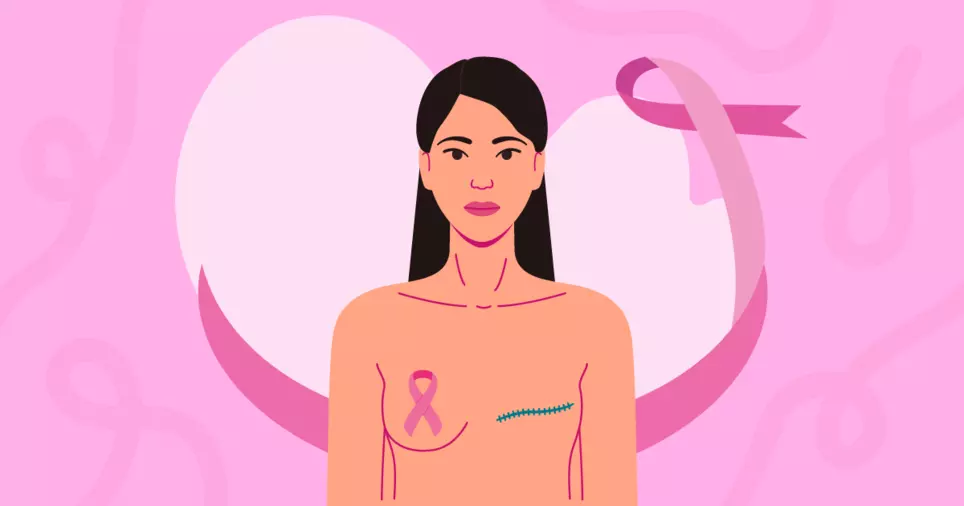
A mastectomy is a major step in treating breast cancer, and it's completely understandable to wonder if the cancer is now gone. The short answer is: it's complicated (sorry, not the reassurance you were hoping for!).
A mastectomy removes most or all of the breast tissue, which significantly reduces the risk of cancer Show Full Answer
A mastectomy is a major step in treating breast cancer, and it's completely understandable to wonder if the cancer is now gone. The short answer is: it's complicated (sorry, not the reassurance you were hoping for!).
A mastectomy removes most or all of the breast tissue, which significantly reduces the risk of cancer returning. However, it doesn't always guarantee the cancer is completely eliminated. Here's what's important to know about recurrence after mastectomy:
- A small number of people — about 5 in 100 — experience cancer returning to the chest area within 10 years
- Cancer can return locally (near the scar or chest wall), regionally (in nearby lymph nodes), or distantly (in other parts of the body)
- If no cancer was found in the lymph nodes, the risk of recurrence is relatively low
- Follow-up treatments like radiation, hormone therapy, or targeted therapy can further reduce recurrence risk Factors that can influence recurrence risk include tumor size, cancer stage at diagnosis, age, and whether lymph nodes were involved.
The best person to speak with about your specific recurrence risk is your oncologist, who can tailor a follow-up plan based on your individual situation. Staying on top of follow-up appointments is key!
October 15








 Join




 Your Privacy Choices