
Powered By


Button down blouses, jammies and PILLOWS!
I wore exercise-type shorts at home and also bought some elastic waist pants/shorts for the first few weeks. I bloated up after surgery, so I was happy to have loose-comfy clothes. I found cotton knits most comfortable. Satin bottoms are good (if you can find them) to help you "slide" across surfaces.
Good pain meds! Percocet made me nauseous/vicodin worked great...but everyone is different--just make sure you get something that works for YOU. (Valium if you are doing reconstruction/tissue expanders.) Then you will also need meds to combat constipation. Colace--stool softener, Milk of Magnesia, Smooth Move Tea, Miralax.
I wasn't very hungry the first few weeks, so I drank smoothies with a combo protein/high fiber powder. You need good nutrition. Protein helps you heal. Fiber helps with all the meds. I also liked Greek yogurt--protein, tasty and easy to eat.
You will have drains. They make camisoles with pockets to hold drains, but they are pricey. The BC nurse navigator at my hospital gave me pouches with clips to hold the drains. The pouches hold the drains and then you can attach the pouches to your clothes with the clips / or safety pins; I just attached mine to the surgical bra.
If you have drains, you probably won't be able to shower. I bought a variety of pre-moistened towelletes to help with sponge-bathing. It just made life easier.
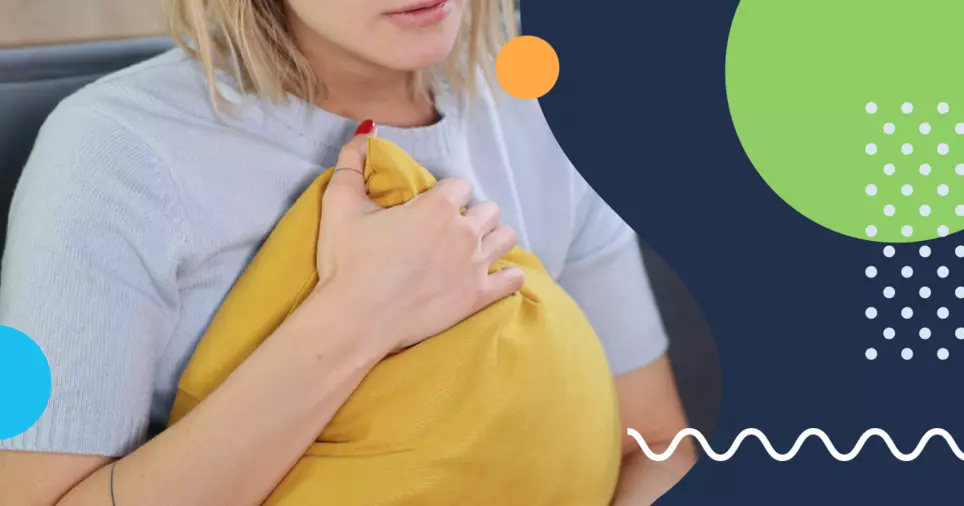
Pillows!! I bought a firm wedge/incline pillow and then still stacked pillows on top to elevate me at night. You can find them at Bed, Bath and Beyond and I found mine on Amazon. You will also need pillows to prop your arms up. Get squishy ones--down, or faux down.
Also I used a down pillow in the car for the first few months. You put the pillow in front of your chest and can wrap the seat belt around the pillow and it protects/cushions your chest from the belt and road bumps.
A cup with a lid and a straw.
I made appts with my hair dresser to wash and dry my hair--one week post-op. Your arms will be pinned by their sides, so washing is difficult. And I have hard to style hair, so it just made me feel better to have clean, neat hair. Hubbies don't know how to use a hair dryer!
DVDs or Streaming movies to keep you occupied during the day.
Patience--we all heal at different rates. And don't overdo it!
This question comes up all the time--I know I asked it several times and I have responded several times based on what I learned post surgery.
These are all great suggestions and some redundant, because we've all been there. We need an FAQ menu/list with answers for newbies.... Maybe even a PDF file that they can print off. And there are other questions that come up all the time...that could be added.
Okay, I know I'm being a web designer, but that's what the Internet and computers are good for...presenting information and automating it!
Remember: Stay ahead of your pain. Take your meds as prescribed. If you don't, you will be playing catch up on the pain and that isn't good. Get button up shirts, pull on pants or just use jammie pants. Use shoes that you slide into. You may want to bring a pair of slippers to wear. I know after my surgery, my feet/ankles were huge and I couldn't wear my shoes. Use Colace to help with your bowels. Get plenty of rest. My plastic surgeon told me I needed to maintain sleeping at a 45 degree angle. So, I slept in a recliner for 3 weeks. Use a pillow underneath each arm to help with swelling and pain. If lymph nodes are removed, remember to be very careful with that arm and report any swelling to your surgeon. Never get blood drawn from that arm and also do not have your blood pressure taken from that arm, as well. Keep a notebook and pen at your side to jot down questions you might have to ask the doctor. Do not rely on your memory. Medications that you will be taking could impair your memory. Chapstick is good to keep on hand in case your lips get dry. A roll of peppermint life savers are pretty easy on the stomach and will give your mouth a better feel. Pain meds can make your mouth feel yucky. Stay hydrated! You won't have much of an appetite. Try to eat many small meals. Don't be too tough to take frequent naps. Maintaining your rest will make you feel better. And don't be afraid to say no to people if you are not up for a visit. If people ask what they can do to help you: make/bring over a meal, they can help clean your home, do a batch of laundry, go grocery shopping, etc. Gets lots of support! And remember, give yourself time to heal. It's a major operation and it'll take some time to get back on your feet again. Oh, just one more thing, "Fight like a girl!" You can do it!!! :-) Best of luck to you!
As soon as you have your doctors ok, start exercising your arms, especially if you had lymph nodes taken out as well. There are sme very basic and easy exercises that are not strenuous. Be proactive in asking about this, as some physicians will overlook your need to know and to get started. I wish my doctor (he was the best in many other ways!), or someone, would have told me how important exercising was, so I would have been more diligent about it. It really helps keep the scar tissue to a minimum. 3 years later, I still have some tightness and knots in my upper left chest, and under my arm. (I'm sure radiation didn't help!) I really believe that exercising consistently and early on, would have helped avoid this. On a side note as well, it will minimize the chance of you getting lymphedema.
There are so many helpful suggestions already made here that I only have one more I can think of to add. Get a bit of exercise, preferably outside if you can. On my second day home after a bilateral mastectomy, I went for a little walk, drains and all. My husband walked with me, giving me both physical and emotional support. It was only a half block that first day but it felt so good to be moving and to be outdoors. Each day we went a little farther, but never too far - just around the neighborhood and for only as long as I had the energy.
Good luck to you!


 Join
Join


 Your Privacy Choices