
Powered By



There’s no shortage of vitamins and supplements that claim to improve energy levels, bone health, sleep, and other issues. But if you’re taking tamoxifen for breast cancer, supplements including St. John’s wort, vitamin E, and black cohosh may interfere with how well the drug works.
Here’s what you need to know about tamoxifen and which nutritional supplements may be best to avoid while taking it.
Tamoxifen is a hormonal therapy for hormone receptor-positive breast cancer. It blocks breast cancer cells from using estrogen. Many people take tamoxifen for five years or more, sometimes after other treatments like chemotherapy and radiation.
Possible side effects of tamoxifen include those that mimic menopause, such as night sweats, vaginal dryness, and emotional effects. You may be searching for natural ways to alleviate these symptoms or to improve your general health.
However, certain supplements can affect your hormones or the level of medication in your body. Even products marketed as natural or safe could have negative effects on your treatment and health.
Here are several supplements that may interfere with tamoxifen treatment and what you should know about them.
Sign up to view the results!
 Continue with Facebook
Continue with Email
St. John’s wort is a flowering plant with a long history of use in traditional medicine across the world. Today, you can find it in many formulations such as capsules, tablets, teas, and extracts.
People take St. John’s wort to manage mild depression, anxiety, and sleep problems. However, you shouldn’t take St. John’s wort while taking tamoxifen unless your oncology team specifically approves it.
St. John’s wort can affect how your body processes medication. It may alter how much tamoxifen reaches your bloodstream and how fast your body eliminates it.
For tamoxifen to work, your body must activate it first. The active form of tamoxifen is endoxifen. This compound helps block estrogen’s effects on breast tissue. Any supplement that changes how your body processes tamoxifen could affect your treatment.
Research on St. John’s wort and tamoxifen is limited. But the herb is known to interact with several medications, leading to potentially life-changing effects.
If you’re thinking about taking St. John’s wort for mood changes, depression, sleep trouble, or other benefits, be sure to talk to your oncologist first. They can help you explore options that are less likely to interfere with your breast cancer treatment.
Vitamin E is an antioxidant that’s found in food and supplements. It helps protect the body’s cells against damage from the environment that can lead to cancer and other health problems.
Vitamin E also supports the immune system and promotes heart health. It’s rare to have a vitamin E deficiency. Most people get enough from various grains, nuts, fruits, and vegetables.
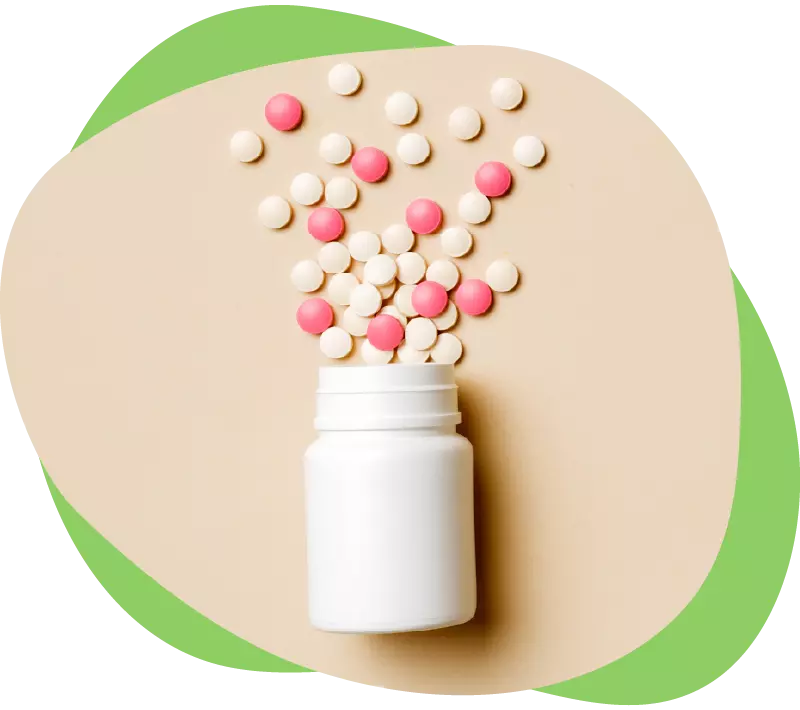 Some people take vitamin E supplements in the hopes of getting added health benefits. Vitamin E is sold as a standalone supplement, and it’s also included in most multivitamins.
However, research doesn’t always support the benefits of vitamin E supplements for everyone. In some studies, it has shown to potentially cause more harm than good. Experts caution against vitamin E supplements during cancer treatment.
Vitamin E supplements aren’t routinely recommended when taking tamoxifen. Researchers have found that vitamin E supplements could interfere with tamoxifen’s antiestrogen effects, making the drug less effective. Cellular studies show vitamin E reduces tamoxifen’s ability to slow or block breast cancer growth.
Because of this risk, oncologists may be hesitant to recommend the use of vitamin E when taking tamoxifen.
In addition, high doses of vitamin E can increase the risk of bleeding, especially if you also take blood thinners. The amount of vitamin E found in food isn’t a concern. But high-dose supplements may increase the risk of stroke and other health issues.
Along with vitamin E, many other vitamins and minerals have antioxidant functions. Antioxidants can seem like a good choice after cancer because they usually protect against cell damage. Some studies have shown benefits of taking CoQ10, niacin, and riboflavin supplements while on tamoxifen.
However, other research suggests that high-dose antioxidants could affect how certain cancer treatments work and may not be as beneficial for cancer as people think. Certain antioxidants may interfere with different types of hormone treatments, radiation, and chemotherapy.
With such mixed findings based on the type of antioxidant and cancer treatment, it might not be worth risking the potential harms of antioxidant supplements.
Talk to your cancer care team first if there’s an antioxidant you really want to try. Otherwise, antioxidants can be safely obtained in their natural form from a variety of colorful fruits, vegetables, nuts, and seeds rather than over-the-counter supplements.
Soy foods, including tofu, edamame, and soy milk, contain natural compounds called isoflavones. These compounds can interact with estrogen receptors. That’s why soy is often considered controversial for people with hormone-sensitive breast cancer.
Eating ordinary amounts of soy foods within your diet can be acceptable. This is different from taking soy isoflavone supplements. Supplements provide a concentrated dose that can have unpredictable effects.
Studies suggest that soy foods are considered generally safe during breast cancer treatment. No evidence shows that soy in the diet interferes with tamoxifen.
However, soy isoflavone supplements may not be safe with hormonal treatments like tamoxifen. Avoid these supplements unless your doctor specifically says otherwise.
Black cohosh (Cimicifuga racemosa) is an herbal supplement made from the root of a North American plant. In the past, people took it for cold symptoms, kidney issues, and menstrual cramps. Today, it’s mainly marketed to relieve menopause symptoms, such as hot flashes, night sweats, and sleep problems.
Black cohosh isn’t recommended for people with hormone-sensitive breast cancer because there’s not enough research to show whether it’s safe or effective.
Lab studies have identified specific pathways where black cohosh competes with or inhibits tamoxifen’s effects. However, researchers haven’t studied these effects in humans to confirm this.
In addition, some black cohosh products have been linked to serious reports of liver damage. It’s unclear whether the herb is dangerous for the liver or if the supplements were contaminated. Tamoxifen already comes with a possible risk of liver problems, so it might not be worth the risk of adding another supplement that could contribute to this issue.
Given these concerns, you shouldn’t take black cohosh supplements without talking to your oncologist first.
Red clover is another herbal supplement commonly sold for menopause symptom relief. So far, it’s not recommended during tamoxifen treatment.
One study looked at whether red clover supplements and lifestyle changes helped women stay on tamoxifen treatment by reducing unwanted side effects.
In the study, 42 women were given red clover supplements for 24 months. Another group of 39 women was given a placebo (a pill with no active ingredients). All participants were premenopausal, had been treated with surgery, and were taking tamoxifen for estrogen receptor-positive breast cancer.
Along with the supplements, all of the participants were told to follow a Mediterranean diet and exercise regularly. Overall, both groups saw improvements with no negative effects.
The researchers suspected that many of the benefits may have been from lifestyle changes, not necessarily the supplement. Although this small study is promising, it’s not enough evidence to say that red clover is safe or useful for people taking tamoxifen. More research is needed.
Any supplements that may interfere with your hormones might not be safe with tamoxifen. If you see products that are meant to help with premenstrual syndrome or menopause, proceed with caution.
Examples of these products include:
Before taking a supplement marketed for hormonal effects, check the full ingredient list with your oncologist or pharmacist. Be especially cautious of products claiming to restore estrogen, increase hormone levels, or provide a natural alternative to menopause hormone replacement therapy.
Tamoxifen is a prescription medication that has gone through several rounds of clinical trials to prove its benefits in people with breast cancer.
Unfortunately, the same can’t be said for over-the-counter vitamins and supplements. Dietary supplements aren’t regulated the same way as prescription medication. As a result, it can be difficult to judge the quality and safety of the product you’re buying.
If you’re struggling with hot flashes, sleep problems, low energy, or other treatment-related symptoms, you deserve relief. But that relief shouldn’t come at the cost of your breast cancer treatment. Your cancer care team can help you explore safe options that fit your needs.
Always ask your doctor before trying supplements, especially if you’re considering any of the products listed here.
Get updates directly to your inbox.




 Continue with Facebook
Continue with Email
Continue with Facebook
Continue with Email
Become a member to get even more





 Join



 Your Privacy Choices

This is a member-feature!
Sign up for free to view article comments.
We'd love to hear from you! Please share your name and email to post and read comments.
You'll also get the latest articles directly to your inbox.