
Powered By



When you’re going through breast cancer treatment, especially after lymph node removal, you may have issues with lymphedema. This complication occurs when lymphatic fluid can’t flow efficiently and builds up in the body.
It usually shows up as swelling in the chest, arm, breast, or abdomen. Lymphedema related to breast cancer treatment affects anywhere from 2 percent to 74 percent of breast cancer survivors.
Some MyBCTeam members living with lymphedema have wondered if infrared saunas are safe and whether they might be an effective way to reduce swelling.
One MyBCTeam member wrote, “I had a small number of lymph nodes removed in 2013. Have been trying ever since without success to find out if it’s safe to use the small far-infrared sauna, which I had installed just before I was diagnosed.”
Others have positive reports. “I bought an infrared sauna for my house, and I love it,” one member said. “I call it my healing box.”
If you’re considering an infrared sauna to help with lymphedema after breast cancer, here’s what you need to know.
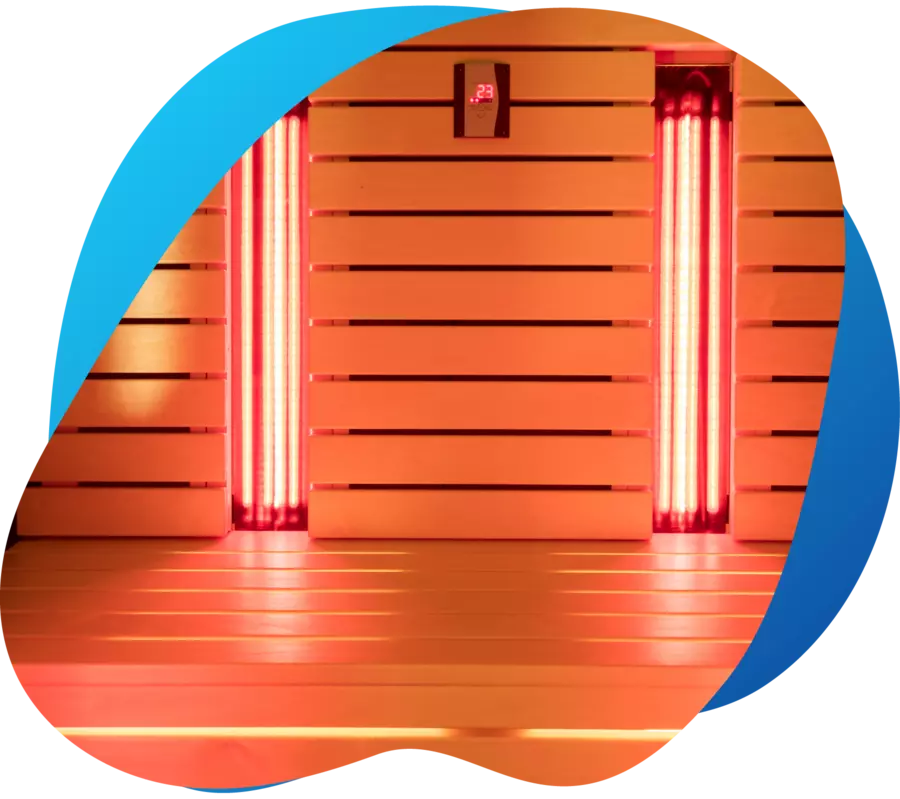
An infrared sauna, also called a far-infrared sauna or far-infrared radiation (FIR), is a sauna that uses light in the infrared wavelength to heat your body. While most traditional saunas heat the air, which causes the warmth you feel, an infrared sauna heats the body directly by exposing it to infrared light.
Because an infrared sauna doesn’t have to get as warm to heat your body, it may be a better option for people who don’t enjoy the heat of a traditional sauna or who don’t tolerate it very well.
There are many health claims about the potential benefits of infrared saunas, but evidence supporting these claims is sparse.
Early research suggests an infrared sauna may provide some relief from lymphedema swelling. One small study on 32 people with lymphedema showed that the circumference of limbs affected by lymphedema was reduced after treatment with far-infrared light. It also showed that markers associated with lymphatic swelling were reduced.
 Another small study focused on fibrosis, which occurs when tissue scars and thickens from long-lasting or severe lymphedema.
It noted that exposure to far-infrared light helped reduce not only the symptoms participants felt, such as tightness or numbness, but also decreased fibrous tissue in the affected area. In addition, participants showed no evidence of newly enlarged lymph nodes.
It’s important to note that these studies used specific far-infrared light settings. The settings of at-home devices, including dosing and wavelength type, may be different and have varied results.
While these studies suggest that an infrared sauna might help with lymphedema symptoms, more research is necessary before medical professionals can draw confident conclusions.
Check with your healthcare team before using an infrared sauna. They understand the details of your health and can best advise you about risks and benefits.
Initial laboratory research has also hinted that infrared radiation may help slow the growth of some breast cancer cells.
Researchers have directly exposed cancer cell cultures to FIR. They found that infrared light inhibited growth in at least five lines of cancer cells, one of which was a type of breast cancer.
Specifically, infrared light seemed to inhibit cancer cells with low levels of a specific form of RNA, which is an essential molecule involved in regulating cell growth. Because levels of this RNA can be measured, far-infrared radiation may someday be a targeted way to inhibit breast cancer cell growth in some cases.
Although this study points researchers in an important direction, it doesn’t necessarily mean that exposing people to an infrared sauna will help treat breast cancer.
The lab-grown cells in the study were exposed to far-infrared radiation directly, but most cancer cells of the human body are located within layers of tissue.
More research is necessary to confirm the results of this study and to determine whether far-infrared radiation can be a safe and effective treatment for breast cancer — and if so, how and for whom.
An infrared sauna may be good for overall health if you’re living with breast cancer, even if it doesn’t help you fight cancer or reduce your lymphedema. Infrared saunas may ease pain. If you’re experiencing pain from breast cancer or its treatment, spending time in an infrared sauna might help you feel better.
Living with breast cancer can also increase stress and affect mental health in many ways. Time in the infrared sauna may help your mental health. Some people find it easier to relax in the sauna, which can help fend off stress and improve your quality of life.
Regularly using an infrared sauna may also help to reduce your body’s oxidative stress levels. Oxidative stress can contribute to aging and the development of chronic diseases.
Infrared saunas aren’t for everyone. You’ll want to avoid them in these situations:
If you’re living with cancer, you will have a few extra things to take into consideration before hopping in a sauna:
Talk with your doctor before your first infrared sauna session to find out whether sauna use could be part of your lymphedema care routine.
This is especially true for people who have a chemo port in place, as some doctors may want you to wait until it’s removed. Your oncologist can give you medical advice and make sure you use the infrared sauna safely.
On MyBCTeam, people share their experiences with breast cancer, get advice, and find support from others who understand.
Have you used an infrared sauna to help with lymphedema? Let others know in the comments below.
Get updates directly to your inbox.


Can a vibration machine help with the lymphatic system after lymph node removal? Can a vibration machine help with neuropathy?



 Continue with Facebook
Continue with Email
Continue with Facebook
Continue with Email
Continue with Facebook
Continue with Email
Continue with Facebook
Continue with Email
Become a member to get even more





 Join
Join



 Your Privacy Choices

This is a member-feature!
Sign up for free to view article comments.
I thought it’s useful to know about the general thoughts if l was going to try the infrared heat but I’m not. But useful information using
We'd love to hear from you! Please share your name and email to post and read comments.
You'll also get the latest articles directly to your inbox.