
Powered By


PART 1 Quite possibly too much of any particular inactive
ingredient might be the cause of side effects.
PART 2 in comment section about the possible harm of inactive ingredients
Extremely boring post but might be helpful trying to establish any relation to side effects of different drug therapies to the inactive ingredients.
LETROZOLE
Inactive ingredients are also used to make the tablets, providing structure and other properties.
Lactose… read more
No wonder I felt bad on Letrozole, it has lactose. I am lactose intolerant. I’m doing better on exemestane.
Wondering if its inactive ingredients that are the reason why the AI's seem to affect women differently? Doctors of course would deny the possibility like they do with everything else but if women are taking several different drugs a day, it is possible to have side effects from the inactive ingredients.
Overlooked Ingredients In Medicines Can Sometimes Trigger Side Effects
https://www.npr.org/sections/health-shots/2019/....
Taking multiple different medications a day that share the same inactive ingredients can potentially lead to problems, especially if you have specific allergies or intolerances to those ingredients.
https://news.mit.edu/2019/inactive-ingredients-...
“Inactive” ingredients may not be, study finds
Most pills contain compounds with potential to cause allergic reactions or discomfort in some patients.

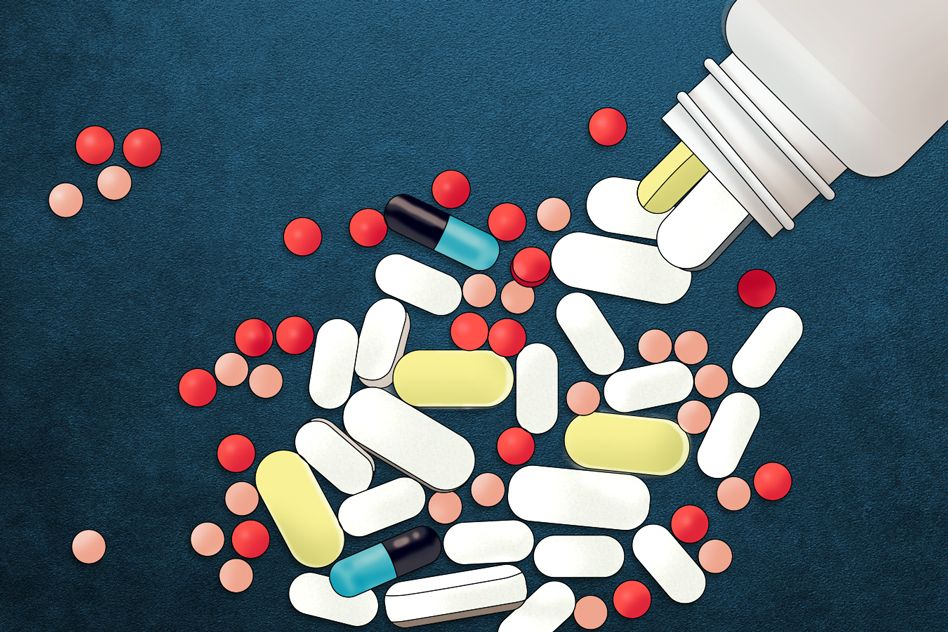
check this out @A MyBCTeam Member
The FDA approves inactive ingredients that are included in pharmaceutical products. However, not all inactive ingredients are always inactive. Alcohol is one example of an ingredient that may be active or inactive based on the specific formulation of the medication. Patients may have allergic reactions or other adverse effects to inactive ingredients. If a patient has a known allergic reaction to an inactive ingredient, they should check for the ingredient in new prescription or over-the-counter medications or check with their pharmacist.
Examples of inactive ingredients that are have been reported to cause reactions in some patients include: sulfites, benzoates, aspartame, saccharin, oleic acid, benzyl alcohol, lactose, soya lecithin, propylene glycol, and sorbitan trioleate. Patients who have allergic or adverse reactions to certain inactive ingredients may be able to use products that are color- or preservative-free.
https://www.drugs.com/inactive/
Inactive Ingredients
Inactive ingredients are substances that don’t have any direct therapeutic benefit, but that doesn’t mean they aren’t important. They may be used as:
Binders
Fillers
Buffers
Flavorings
Stabilizers
Coatings
Even to make a drug break down at a specific rate after you take it
Very interesting and informative. Thanks for sharing!
@A MyBCTeam Member
That is highly informative and really appreciate all the dedication to research and share.
💐


 Join
Join





 Your Privacy Choices