
Powered By



If you’ve received a new diagnosis of metastatic breast cancer — breast cancer that has spread to other areas of the body — you may feel anxious about doing everything you can to stay healthy.
While a nutritious diet can support overall health, your nutrition needs may change during treatment. Getting enough calories and protein can help you maintain muscle and body weight, especially if you’re experiencing treatment side effects.
Although there’s no official diet or nutrition for metastatic breast cancer, here are some ideas about what to eat and what to avoid for a nutritious diet that supports good health.
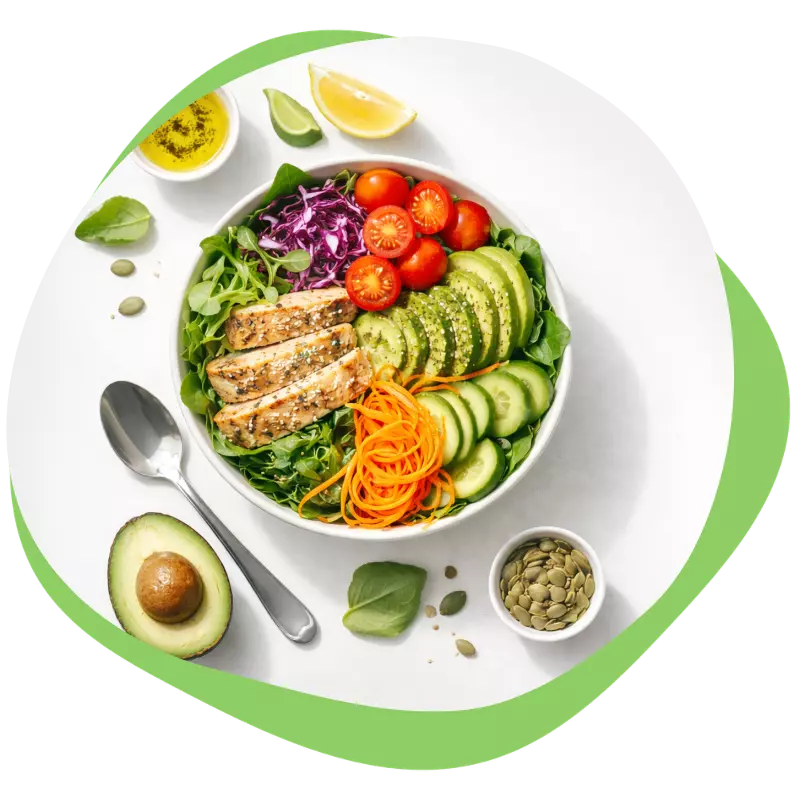 5 Best Foods To Eat With Metastatic Breast Cancer
These five food categories are generally healthy for people with metastatic breast cancer because they are high in nutrients and low in added sugar. Although no specific diet has been shown to improve outcomes in metastatic breast cancer, you can still consider these five choices to upgrade your diet.
A large long-term observational study (watching people in their natural environment) published in the journal Cancer Research found that women who ate about two daily servings of leafy greens after a breast cancer diagnosis had a 20 percent lower risk of death compared to those eating a minimal amount.
Although leafy greens offer health benefits, this does not guarantee eating them reduces mortality. Greens are a nonstarchy vegetable with plenty of fiber and beneficial plant compounds called polyphenols or antioxidants.
Even if you’re not a big fan of strong-tasting greens like kale or arugula, it’s easy to sneak milder greens into your meals. Opting for a romaine lettuce side salad, putting frozen spinach in your breakfast smoothie, and using a handful of mixed greens in your wrap sandwich are simple ways to improve the quality of your diet.
The study mentioned above also found that women with breast cancer who ate about one serving of cruciferous veggies per day had a 13 percent lower risk of death compared to women who ate very few of these veggies. However, this was an observational study and did not prove that eating cruciferous vegetables improved survival.
Cruciferous veggies include brussels sprouts, cabbage, cauliflower, and broccoli. Try roasting these veggies in the oven with some olive oil and salt, or experiment with recipes like stuffed cabbage and broccoli soups. Shredded raw cabbage adds a nice crunch to salads and fish tacos.
With a little creativity, getting a serving of cruciferous veggies every day can be easy.
Blueberries and strawberries are rich in vitamin C and other beneficial nutrients. Some dark purple berries, like grapes, are a good source of the compound resveratrol.
There’s not enough evidence in humans to show that eating berries or consuming resveratrol can slow metastatic breast cancer, but cell research shows promise that resveratrol can slow down the growth and spread of breast cancer cells.
Stock up on frozen berries when they’re on sale so you always have some on hand. Mixing berries into yogurt parfaits or in baked goods can help satisfy your sweet tooth while providing beneficial nutrients.
High fiber intake is also associated with a lower risk of mortality after a breast cancer diagnosis. Because berries are some of the highest-fiber fruits, they’re a great way to boost your intake.
Whole grains have more fiber than refined grains, making them a nutritious choice for those with metastatic breast cancer. They also provide several B vitamins and essential minerals like iron and magnesium.
If you thought whole grains were boring, it may be time to expand your options. Beyond whole-wheat bread, whole-grain pasta, and brown rice, there’s a diverse array of whole grains to explore. Each grain has its own unique shape, texture, and flavor.
Consider adding some of the following to your diet:
Even inexpensive staples like oatmeal and popcorn are whole-grain foods that keep well in the pantry when you’re overdue for a trip to the grocery store. If you’re looking for a nutritious snack, skip the processed breakfast cereal and go for whole grains.
Nuts are a nutrient-packed source of fiber, protein, vitamins, and minerals. Research implies an association between a lower glycemic load (how much a specific food raises blood sugar) and better survival after breast cancer diagnosis.
Nuts have a minimal glycemic load and are great replacements for other snacks with a high glycemic load like crackers, chips, and sweetened granola bars. Nuts are also a key component of the Mediterranean diet, which has been associated with maintaining a better quality of life with metastatic cancer.
Although peanuts are technically a legume, not a nut, peanuts and natural, unsweetened peanut butter offer many of the same nutritional benefits as tree nuts. If you’re experiencing unintentional weight loss, they can be a helpful way to add calories and protein. If weight gain is a concern, consider the portion size, which is about the size of a small handful.
No foods are completely off-limits just because of metastatic breast cancer, but you’re probably better off reducing your intake of these three items.
The large observational study mentioned previously found that women with breast cancer who drank certain fruit juices had a higher risk of breast cancer mortality than those who drank little to none. However, this was an association and does not prove that drinking juice increases the risk of death.
Whole fruit has some benefits over juice, but juice may be helpful if you’re having symptoms such as digestive trouble. To reduce the amount of sugar per serving, you can add club soda and ice to dilute the fruit juice with water while still enjoying a refreshing beverage with some sweetness.
Most foods cause blood sugar levels to increase temporarily as a normal part of the digestive process. But sugar and refined grains (like white flour and processed breakfast cereals or carbohydrates) can spike blood sugars higher and faster than foods that contain more fiber, protein, and healthy fat.
Research has found associations between higher blood sugar spikes and poorer health outcomes, but it has not demonstrated that restricting sugar prevents breast cancer death. Consider limiting added sugars and refined-grain carbohydrates for a lower glycemic load and an overall healthier eating pattern.
Cardiovascular disease is a leading cause of death for women with breast cancer, according to a study published in Cureus. Not only do these conditions share similar risk factors, but there’s evidence that breast cancer treatments may be damaging to the heart.
While some people first learn about breast cancer after it’s already metastasized to other areas of the body, others have undergone years of cancer treatment before metastasis. If heart problems are a side effect of your cancer treatments, it’s especially important to follow a heart-healthy diet.
Processed meat is associated with a greater risk of major heart disease. Examples include bacon, sausage, and hot dogs. There is continued debate if unprocessed red meat and poultry have ties to major heart disease as well, but research has not been consistent or clear. Swapping some of your meat intake for fish or plant-based protein (like lentils) is a proactive way to help protect your heart.
If you’d like a more detailed, customized eating plan, ask your doctor or healthcare specialist for a referral to a registered dietitian nutritionist. They can help you come up with a meal plan that fits your specific needs and lifestyle.
Get updates directly to your inbox.


I had grade 1 breast cancer, surgery in August removal of 2 lymph nodes, cancer not spread. Had 5 sessions of Radiotherapy....


 Continue with Facebook
Continue with Email
Continue with Facebook
Continue with Email
Continue with Facebook
Continue with Email
Continue with Facebook
Continue with Email
Become a member to get even more





 Join
Join




 Your Privacy Choices

This is a member-feature!
Sign up for free to view article comments.
I don't know why I even bother to read these things. While these recommendations are sound in general practically they are a joke and these people should know better
Verzenio and many of the… read more
We'd love to hear from you! Please share your name and email to post and read comments.
You'll also get the latest articles directly to your inbox.